
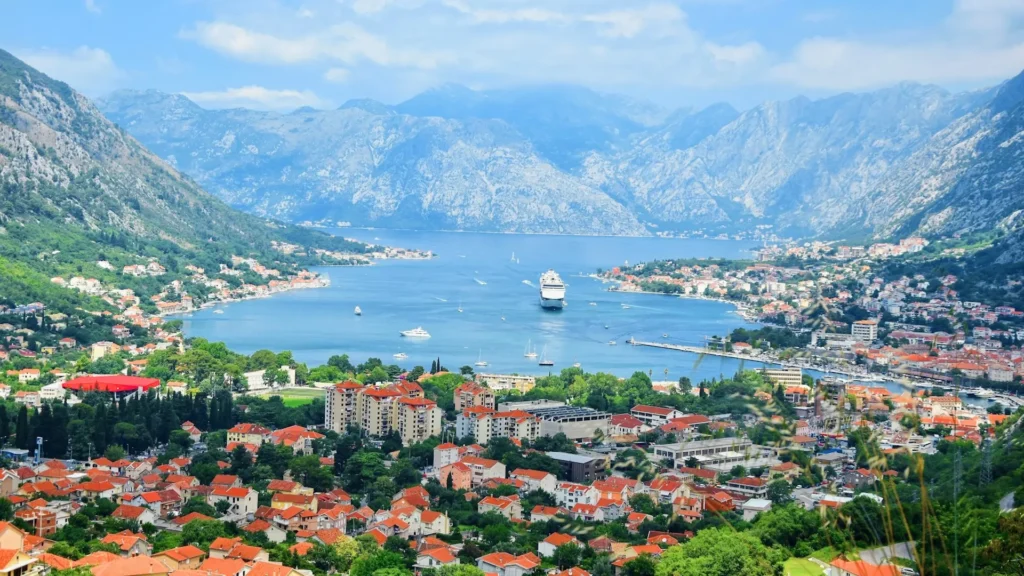
Kotor itinerary planning is where most travelers get it wrong. They book a hotel inside the walls, arrive on a Tuesday, and spend three days fighting for space with 5,000 cruise ship passengers. That is not a vacation.
Three days is the perfect amount of time to see this place properly. But you have to build the plan around the ships, the heat, and the light. You need to know when to climb the mountain, when to get on a boat, and when to sit in a cafe and do absolutely nothing while the day-trippers sail away.
Here is exactly how to spend three days in Kotor, built around the rhythm of the town, not the schedule of a cruise liner.
If you are coming from Croatia, start by reading our guide on how to get from Dubrovnik to Kotor so you don’t get stuck at the border. Once you arrive, here is the plan.
Kotor 3-Day Itinerary at a Glance
| Day | Morning | Afternoon | Evening |
|---|---|---|---|
| Day 1 | Old Town & St. Tryphon’s Cathedral | Lower City Walls & Maritime Museum | Dinner in Stari Grad |
| Day 2 | San Giovanni Fortress (Start by 7 AM) | Swim in Dobrota | Sunset walk & Burek |
| Day 3 | Perast & Our Lady of the Rocks | Lovćen Cable Car or Budva | Last dinner by the water |
This plan is not a rigid checklist. Swap days around if the weather turns. But keep one rule: front-load the hard things. Climb the fortress early. Get on the boat early. Leave the middle of the day for swimming, eating, or doing nothing at all.
Day 1: The Old Town and the Walls
You arrive. You drop your bags. You want to see the famous walled city. But if you walk through the Sea Gate at 11:00 AM in July, you will be walking into a wall of humanity.
The cruise ships dock at the port in Kotor every morning. Passengers flood the Old Town from roughly 10:00 AM to 5:00 PM. It is shoulder-to-shoulder. If you are staying overnight, you have a massive advantage: you get the town before they arrive and after they leave.
Morning: Explore Before the Ships Arrive
Set an alarm. Be inside the walls by 8:00 AM. You will have the cobblestone streets almost to yourself. The cats will be the only crowd.
The Old Town is a triangle of narrow alleys, small squares, and sudden patches of sunlight. It is easy to get lost. That is the point. Walk through the Sea Gate (the main entrance from the water) onto the Square of the Arms. Look for the leaning clock tower.
Then find St. Tryphon’s Cathedral. This is the city’s main church. It was consecrated in 1166, which makes it older than most countries. It has survived earthquakes, invasions, and the passage of centuries. You pay about €3 to €4 to go inside. It is quiet, dark, and cool. A good place to sit for 20 minutes and escape the rising heat.
For a deeper look at the history, you can check the official UNESCO World Heritage page on Kotor. It explains why this small patch of stone and water matters so much.
Afternoon: The Blue Cave Boat Tour
Around 1:00 PM, head to the harbor. Book a 3-hour speedboat tour to the Blue Cave (Plava Špilja).
These tours usually cost between €30 and €40. You can compare tour options and read reviews on GetYourGuide or Viator.
The small boats take 8 to 12 people. The ride out is about 30 minutes. You will stop at the submarine tunnels first, then head to the cave. You get 15 to 20 minutes to swim inside the cave. On the way back, the boat will stop at Our Lady of the Rocks, a man-made island near Perast.
Evening: Dinner in the Squares
By 5:00 PM, the ships are sailing out. The town exhales. The light turns golden. This is the best time to be in Kotor.
For dinner, avoid the restaurants on the main squares. Walk a few streets back into the maze. Look for a konoba (a traditional tavern). Order the black risotto (crni rižot), which is made with cuttlefish ink. It turns your mouth black and tastes like the sea. Pair it with a glass of local Vranac wine.
If you want to understand the local food scene before you sit down, our Belgrade Food Guide covers the broader Balkan kitchen. The principles are the same: fresh, grilled, and generous.
(If you are staying inside the walls, the map above shows exactly where to book for easy access to everything).
Day 2: The Mountain and the Bay
This is the physical day. You will climb 1,350 steps, and then you will swim. If you do it right, it will be the best day of your trip.
Morning: Hike the San Giovanni Fortress
This is the main event. You cannot come to Kotor and skip this. But you have to start early.
The entrance is behind the Church of St. Nicholas. You pay €15 for the national park fee. The trail starts at 7:00 AM. If you start at 7:00 AM, you climb in the shade. The stone steps are still cool from the night. If you start at 11:00 AM, you climb in the full sun, alongside hundreds of other people, and it becomes a miserable experience.
The climb takes about 45 to 60 minutes. You pass the Chapel of Our Lady of Health around step 500. That is a good place to stop, catch your breath, and take your first photos. The final stretch is a rocky path, but the reward is the best view in Montenegro. You get a full panorama of the Bay of Kotor, the red roofs, and the mountains stretching to the horizon.
We have a full breakdown of what to expect, including what to wear and how much water to bring, in our guide to the best things to do in Kotor.
Afternoon: Swim in Dobrota
After the climb, your legs will be tired. Do not plan anything strenuous. Walk north for 20 minutes along the water to Dobrota.
Kotor itself does not have a great beach. The waterfront near the port is mostly concrete and boats. But Dobrota has a long strip of small pebble beaches and swimming platforms. The water is incredibly clean. Find a spot, rent a sunbed for a few euros, and spend the afternoon doing nothing.
This is also where you should be looking if you want a quieter place to stay. The waterfront hotels here are excellent. Our comparison of Kotor vs. Herceg Novi breaks down the differences, but Dobrota is the sweet spot for a Kotor trip that includes swimming.
(The map above shows the best hotels in Dobrota, right on the water).
Evening: Sunset and Burek
For your final evening activity on Day 2, walk the lower walls again, or just find a spot on the waterfront and watch the sun go down. The sky over the mountains turns pink and orange.
Then, find a bakery. Order a burek. This is a flaky pastry filled with meat or cheese. It costs about €1.50. It is the cheapest, most delicious meal in the city. Eat it with a cup of plain yogurt. This is the local way.
Day 3: The Bay and the Villages
Day 3 is for exploring outside Kotor. You have two main options: the bay by boat, or the mountains by cable car. If it is your first time, take the boat. It is the more iconic experience.
Morning: Bus to Perast
Take the local Blue Line bus to Perast. The bus leaves from the Kotor bus station and picks up across from the Sea Gate. It costs about €1.50 to €2.00. The ride takes about 25 to 35 minutes. You can check the current schedules on GetByBus or at the Kotor bus station ticket window.
Perast is a tiny, baroque village on the water. It has one main street, a few restaurants, and a handful of bell towers. It feels like a movie set. Walk along the waterfront and enjoy the quiet. It is the opposite of Kotor in the middle of the day.
Midday: Our Lady of the Rocks
From the Perast waterfront, find a small boat to take you to Our Lady of the Rocks. It is a man-made island built by sailors who threw rocks into the sea. The boat ride takes 10 minutes. It costs about €5 per person.
On the island, there is a small church and a museum. The museum is filled with silver and gold offerings from sailors who survived storms. It is a strange, beautiful, and deeply specific place.
Afternoon: Lunch in Perast
Have lunch at one of the restaurants on the water in Perast. It is more expensive than Kotor, but the setting is worth it. Order fresh fish or a seafood risotto.
If you have energy left, take the bus back to Kotor and explore a different part of the bay. Or, if you want a different view, you can take a taxi or bus up to the Lovćen cable car. It takes you to the top of the mountain for a different perspective on the entire bay system. The cable car costs about €25 return for adults. You can check operating hours and buy tickets on the official Lovćen Cable Car website.
Evening: Your Last Dinner
For your final night, go back to Kotor. Have a slow dinner. Try the Kotorska Pašta for dessert. It is a small, tube-shaped pastry filled with cream and almonds. It is sweet, rich, and the perfect end to the trip.
Where to Stay in Kotor
You have two main choices: inside the walls, or on the water.
Inside the Old Town: You get the history and the charm. You can walk out your door and be at a restaurant in 10 seconds. The downside is noise and parking. You cannot drive inside the walls. It is best for couples and short stays.
Dobrota: This is the long waterfront area stretching north of Kotor. It is quieter, has better swimming spots, and the hotels are newer. You are a 20 to 30-minute walk from the Old Town. It is best for families, people with cars, and anyone who wants to swim.
If you are still deciding between the two main coastal towns in Montenegro, our guide to Kotor vs. Herceg Novi will help you pick the right basecamp.
When to Visit Kotor
The summer (July and August) is incredibly hot and crowded. The cruise ships bring thousands of people to the Old Town every day.
The best time to visit is May, June, or September. The weather is warm, the water is swimmable, and the crowds are thinner. October is also excellent. The summer rush is over, but the weather is still mild. Winter is quiet. Many restaurants close, but the scenery is still beautiful.
What This Trip Costs
Kotor is not as cheap as some other parts of the Balkans, but it is still affordable. Here is a rough breakdown for a 3-day trip, per person, excluding flights and accommodation:
- Budget: €165–€175 (hostel, bakery food, public transport)
- Mid-Range: €360 (hotel, restaurant meals, a few tours)
- Luxury: €940+ (boutique hotel, private tours, fine dining)
The biggest variable is accommodation. A guesthouse in the Old Town can cost €60 to €150 per night, depending on the season.
Getting Around Kotor
The Old Town is entirely pedestrian. You cannot drive inside the walls. If you stay in the Old Town, you don’t need a car. You can walk to the fortress, the harbor, and the bus station.
If you stay in Dobrota or further out, you might want a car for exploring the bay and the mountains. Parking is scarce, so make sure your hotel offers a parking space.
Conclusion
Kotor rewards you for getting up early. If you beat the cruise ships to the Old Town and start the fortress hike before the sun gets intense, you get the whole city to yourself. Three days is the perfect amount of time to see the sights, swim in the bay, and eat some incredible food.
If you are planning the next leg of your trip, read our guide on how to get from Belgrade to Novi Sad to see how the rest of the country connects.
FAQ
Is 3 days in Kotor too much?
No. Three days gives you time for the fortress hike, a boat tour to the Blue Cave, and a relaxed day trip to Perast. It is the perfect amount of time.
What is the best month to visit Kotor?
May, June, and September. The weather is warm, the water is swimmable, and the crowds are much thinner than in July and August.
Do I need to book the Blue Cave tour in advance?
In July and August, yes. It is best to book online a few days ahead. In the shoulder season, you can usually walk down to the harbor and find a boat leaving within an hour.
How much does a 3-day trip to Kotor cost?
A budget traveler can spend about €50 to €70 a day. A mid-range traveler should budget €120 to €150 a day.
Where should I stay in Kotor?
If you want to be close to the action, stay inside the Old Town. If you want a quieter spot with better swimming, stay in Dobrota.
Is Kotor safe at night?
Yes, it is very safe. The Old Town is lively and well-lit. Just be careful when walking on the steep stairs after it rains.
Can you swim in Kotor?
Yes. There are small rocky beaches near the town, but the best swimming is in Dobrota or the Blue Cave.
Do you need a car in Kotor?
No. You can walk everywhere in the Old Town, and you can take the bus to Perast or rent a boat to see the bay.
How do I get from Dubrovnik to Kotor?
You can take a bus (2.5 to 3.5 hours), a seasonal ferry (3 hours), or a private transfer. We break down all the options in our Dubrovnik to Kotor guide.
What is the local food in Kotor?
Try the Kotorska Pašta (a sweet pastry) and the black risotto (made with cuttlefish ink).
Can I do the hike to San Giovanni with kids?
It is tough for young kids. Older kids who are used to hiking will be fine. Start early in the morning.
What if it rains in Kotor?
The Old Town is still beautiful in the rain. You can visit the museums, the churches, or sit in a cafe. The fortress hike is dangerous in the rain because the stones get slippery.
Is the cable car worth it?
Yes, if you want a different view of the bay and don’t mind spending the money. It is a fast way to get up the mountain without the hike.
Do I need cash in Kotor?
Yes. Many small shops, bakeries, and the fortress ticket booth are cash-only.
What is the best beach near Kotor?
Dobrota has the best swimming spots within walking distance. For sand, you need to go to Jaz Beach or Žanjice.
How long does the bus take from Kotor to Perast?
About 25 to 35 minutes, depending on traffic.
Is Kotor worth visiting?
Yes. The combination of the dramatic mountains, the historic Old Town, and the bay makes it one of the most unique places in Europe.
What should I do on my first day in Kotor?
Explore the Old Town early, then hike the lower walls or visit the Maritime Museum in the afternoon.
What is the best time to hike the fortress?
Start by 7:00 AM to beat the heat and the crowds.
Can I visit Kotor as a day trip from Dubrovnik?
Yes, but you will have limited time. It is much better to stay overnight if you can.
What is the difference between Kotor and Herceg Novi?
Kotor is more historic and dramatic. Herceg Novi is greener, quieter, and has better beaches. We compare them in detail in our Kotor vs. Herceg Novi guide.