
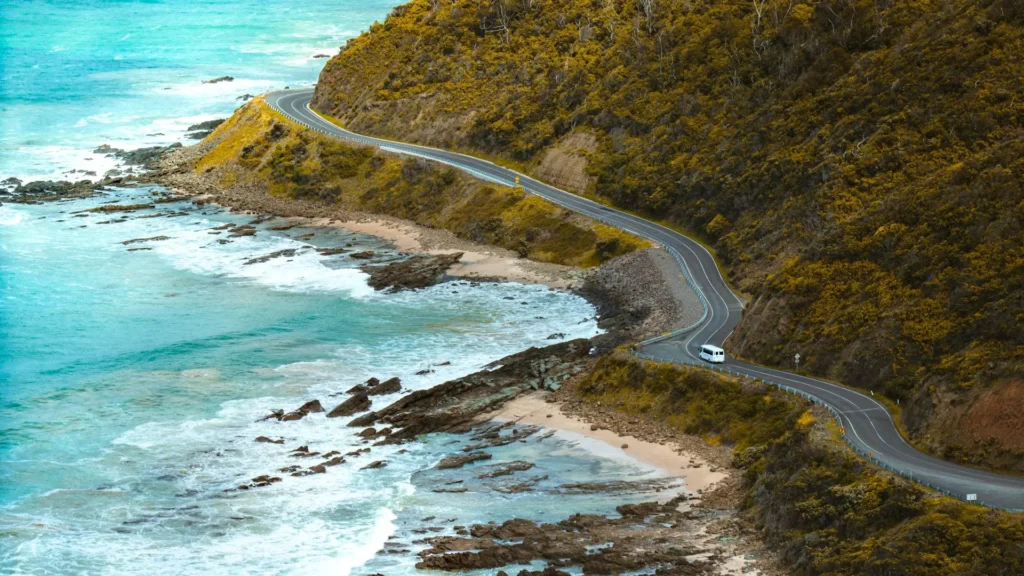
Getting from Dubrovnik to Kotor is a straightforward journey on paper. It’s roughly 90 kilometers down the Adriatic coast. But the reality of the Croatia-Montenegro border crossing changes everything.
You can do this trip by bus, ferry, private transfer, or rental car. Each option has a different price point, a different level of comfort, and a completely different relationship with the border queue. I’ve combed through operator schedules, ferry timetables, and real traveler reports to give you the unvarnished truth about this route.
Here is the honest breakdown of every way to get from Dubrovnik to Kotor, including the one factor that can turn a two-hour drive into a five-hour ordeal.
This post contains affiliate links. If you book through them, I may earn a commission at no extra cost to you.
Dubrovnik to Kotor at a Glance
Before you dive into the details, here is the quick comparison of your options. Times and prices are for a one-way trip in 2026.
| Transport | Time (with border) | Cost (approx.) | Best For |
|---|---|---|---|
| Bus | 2.5 – 3.5 hours | €25 – €40 | Budget travelers, solo adventurers |
| Ferry | 3 hours | €50 – €60 | Scenic views, skipping the border queue |
| Private Transfer | 2 – 3 hours | €70 – €160 per car | Groups, families, door-to-door service |
| Rental Car | 2 – 3.5 hours | Fuel + tolls + Green Card | Flexibility, stopping at viewpoints |
| Guided Day Tour | 9 – 12 hours | €50 – €115 | Zero logistics, a full-day itinerary |
The single biggest variable for all road-based options is the Debeli Brijeg border crossing. In the shoulder season, you can sail through in 15 to 20 minutes. On a July or August afternoon, you can sit in a queue for 1 to 3 hours. Some travelers on Reddit have reported the border adding four to five hours to their journey, turning a two-hour bus ride into a full-day event.
Option 1: The Bus (The Budget Backpacker)
The bus is the most popular and practical choice for independent travelers. It’s cheap, frequent, and handles the border crossing for you.
Departure and Arrival Points
Buses leave from Dubrovnik’s main bus station in Gruž, not from the Old Town. This is a 20 to 30-minute walk or a short taxi ride from the Pile Gate. The station is called Autobusni kolodvor and is located at Obala pape Ivana Pavla II. If you have the Dubrovnik Pass, the 24-hour bus card covers the local bus ride to the station.
The bus drops you at Kotor’s bus station in Škaljari, which is about a 5 to 10-minute walk from the Old Town’s Sea Gate. The walk is flat and straightforward with normal luggage.
Companies and Tickets
Several operators run this route, including Globtour, Libertas Dubrovnik, Blue Line, Jadran Ekspres, and Bozur Podgorica.
- Price: Tickets cost between €25 and €40 for a one-way trip. FlixBus and other aggregators sometimes have advance fares starting around €29.
- Booking: You can book online through platforms like Omio, GetByBus, or Busbud. In July and August, booking a few days ahead is essential because buses fill up. In the shoulder season, you can usually buy a ticket at the station the day before or on the day of travel.
- Schedule: In summer, there are up to 7 to 8 daily departures. The first bus leaves as early as 07:15, and the last departs around 20:30. In winter, the schedule drops to about 3 departures per day.
The Border Reality on a Bus
This is the critical part. On a bus, everyone must get off with their luggage for passport control at the border. You go through Croatian exit control, then Montenegrin entry control, then reboard the bus.
This process is why the timing is so unpredictable. The scheduled journey is about 2 hours and 10 minutes, but you should budget 2.5 to 3.5 hours as a realistic baseline.
Reddit and travel forums are full of warnings about this. One review from a traveler on a Bozur Podgorica bus said, “The journey took 5 hours. There is no way the journey takes 2 hours as advertised—it took 5”. Another noted, “We spent 90 minutes getting through both checkpoints… this border crossing is terrible so tell people it will take 4 hours not 2”.
My advice: Take the earliest bus you can. The 07:15 departure is your best bet to beat the worst of the day-trip traffic and tour coaches. Bring snacks, water, and a fully charged phone.
Option 2: The Ferry (The Scenic Border-Bypass)
There is a direct passenger ferry from Dubrovnik to Kotor, and it solves the border problem entirely. You clear passport control on board, and you never sit in a road queue.
The Catch: Limited Schedule and Higher Price
This is a seasonal service, typically running from June to September.
- Operator: The service is run by Kompas (sometimes listed as Adriatic Lines) using high-speed catamarans.
- Schedule: Ferries do not run daily. They typically operate 2 to 3 times per week, usually on Mondays and Wednesdays (some sources also mention Saturdays). The departure is usually at 09:30, arriving in Kotor around 12:15.
- Price: A one-way ticket costs between €50 and €60. This is significantly more than the bus.
- Vehicles: This is a passenger-only ferry. You cannot bring a car.
Is the Ferry Worth It?
If your travel dates align with the schedule, the ferry is a fantastic experience. You get a scenic ride across the Adriatic, you avoid the border chaos entirely, and you arrive in Kotor refreshed instead of stressed.
My advice: If you are traveling in peak summer and the ferry is running on your dates, book it. The extra cost is worth it for the peace of mind and the views. Just be aware that the sea can be choppy, so bring motion sickness tablets if you are prone to it.
Option 3: Private Transfer (The Stress-Free Way)
A private transfer is the most comfortable and convenient option, especially for groups, families, or anyone arriving on a late flight.
- How it works: A driver picks you up from your hotel in Dubrovnik and drops you directly at your accommodation in Kotor. They handle the border crossing from inside the car, which is a much faster process than the bus.
- Cost: Prices range from €70 to €160 per vehicle, depending on the operator, vehicle size, and season. Some sources quote €70-90 for a standard transfer, while premium services or larger vehicles can be higher.
- Booking: You can book these through platforms like GetYourGuide, Viator, or local transfer companies. It’s best to arrange this in advance, especially in summer.
The Verdict: A private transfer does not necessarily get you through the border faster than a bus. The border queue applies to all vehicles equally. The advantage is door-to-door service, luggage handling, and the ability to travel on your own schedule. For a group of three or four, the per-person cost can be close to a bus ticket, making it a very attractive option.
Option 4: Driving Yourself (Maximum Flexibility)
Renting a car gives you the freedom to stop at viewpoints, explore the Bay of Kotor at your own pace, and take the scenic route.
The Route and the Border
The drive is about 90 to 95 kilometers and takes roughly 1 hour and 45 minutes of actual driving time. The route hugs the coast, passing through Cavtat in Croatia before reaching the Debeli Brijeg/Karasovići border crossing.
This is the same border the buses use, and it is the wild card. In shoulder season (May, June, September, October), you can cross in 15 to 20 minutes. In peak summer (July-August), waits of 30 to 45 minutes are common, and on busy Saturday mornings, they can exceed an hour. Some sources warn of waits up to 1 to 3 hours on a July or August afternoon, and even 4 to 5 hours on the worst weekends.
Crucial document: You must have a Green Card for your rental car to enter Montenegro. This must be arranged with the rental company before you pick up the car. It cannot be purchased at the border.
The Kamenari–Lepetane Ferry Shortcut
Here is a pro tip that many travelers miss. Once you are in Montenegro, instead of driving all the way around the Bay of Kotor, you can take a short car ferry across the Verige Strait from Kamenari to Lepetane.
This shortcut saves you a significant amount of driving and is a fun experience. The ferry runs frequently and costs only a few euros per car.
Parking in Kotor
Kotor Old Town is entirely car-free. You must park outside the walls in a paid lot. The main parking outside the Sea Gate fills up early in summer, so arrive before 9:00 AM if you want a spot.
Option 5: The Guided Day Tour (Zero Logistics)
If you are short on time and want to see Kotor without any planning, a guided day tour is the easiest option.
- How it works: You are picked up from your hotel in Dubrovnik, driven across the border in a comfortable minibus or coach, and given a guided tour of Kotor Old Town and sometimes Perast.
- Cost: Tours typically cost between €50 and €115 per person.
- Duration: This is a full-day commitment, usually 9 to 12 hours.
- The Catch: You are on the operator’s schedule. You will have limited free time in Kotor, and you will not have time to climb the fortress or take a boat tour to the Blue Cave.
The Verdict: A day tour is perfect if you just want to check Kotor off your list and don’t want to deal with any logistics. But if you actually want to experience Kotor, you need to stay overnight. If you decide to stay, you’ll need to know where to base yourself. We cover that in our guide to the best areas in Kotor vs. Herceg Novi.
The Border Crossing: The Most Important Part of Your Trip
The Debeli Brijeg (Montenegro) / Karasovići (Croatia) border is the single biggest factor in your travel time. It is a full international border between Croatia (a Schengen member) and Montenegro (not in the EU or Schengen). Everyone is checked, the EU’s new Entry/Exit System (EES) means fingerprints and photos are taken for non-EU travelers, which can slow things down.
When to Cross
- The Best Times: Cross before 08:00 or after 20:00. Even in August, the wait is usually under half an hour during these times.
- The Worst Times: The queue builds from 09:00 towards Montenegro and from 16:00 back towards Croatia. On cruise ship days in Kotor, both directions suffer at once.
- The Worst Days: Avoid Saturdays in July and August if you can. This is when the border can become a multi-hour parking lot.
The Kobila Alternative
There is a small, lesser-known border crossing called Kobila (Vitaljina on the Croatian side) at the tip of the Prevlaka peninsula. It is meant for cars only and has limited hours. When the main Debeli Brijeg crossing is backed up for two hours, locals use Kobila and often save an hour. If you are driving, ask your rental company or check online forums for its current status. Note that it may be closed or have seasonal hours.
Can You Do It as a Day Trip?
Yes, but you need to be realistic. A day trip from Dubrovnik to Kotor is a long day, and you need to start early.
- The Plan: Leave Dubrovnik by 07:00 or 07:30. This gets you to the border before the worst of the queues. You will arrive in Kotor around 10:00 to 10:30.
- What You Can Do: You will have time to walk the Old Town and have lunch. You probably do not have time to climb the fortress (that takes 2 to 3 hours) or take a boat tour to the Blue Cave (that takes 3 hours). You might have time for a quick boat trip to Our Lady of the Rocks if you are efficient.
- The Return: Leave Kotor by 17:00 or 17:30 to avoid the late afternoon/evening border queue heading back into Croatia.
My Honest Advice: Kotor is not a place to rush. The magic happens when the day-trippers leave and the evening crowds thin out. If you can, stay overnight. You can read our full guide on the best things to do in Kotor to see what you’d miss on a rushed day trip.
Practical Tips for the Journey
- Passports: This is a full international border. Citizens of the US, UK, Canada, Australia, and the EU do not need a visa for a day visit, but you must have a valid passport. EU citizens can use a national ID card.
- Currency: Both Croatia and Montenegro use the Euro, so you don’t need to worry about changing money at the border.
- Sit on the Right: If you are on a bus heading south towards Kotor, sit on the right-hand side. You will get the best views of the Bay of Kotor as you approach.
- Don’t Book a Flight Too Close: Do not schedule a flight or a ferry departure within 4 hours of your arrival back in Dubrovnik. The border is too unpredictable to cut it close.
- Use the Toilet Before You Board: Not all buses have on-board toilets. Use the facilities at the Dubrovnik bus station before you leave.
The Verdict: Which Option Should You Choose?
- For the cheapest trip: Take the bus. Book an early departure and pack your patience for the border.
- For the most scenic trip: Take the ferry (if it’s running on your dates). It bypasses the border chaos and is a beautiful experience.
- For the most comfortable trip: Book a private transfer. It’s stress-free, door-to-door, and great for groups.
- For the most flexible trip: Rent a car. You can stop at viewpoints, take the Kamenari ferry shortcut, and explore at your own pace. Just make sure your rental agreement includes the Green Card for Montenegro.
Once you arrive, you’ll need a plan. We’ve got you covered with a full guide on the best things to do in Kotor and a breakdown of where to stay in Kotor vs. Herceg Novi.
And if you’re extending your trip further into the Balkans, our guide on how to get from Belgrade to Novi Sad will help you navigate the next leg of your journey.
FAQ
How long does it take to get from Dubrovnik to Kotor?
It takes 2 to 2.5 hours of driving, but you must add border wait time. In shoulder season, budget 2.5 to 3 hours total. In peak summer, budget 3.5 to 5 hours depending on the queue.
Is there a ferry from Dubrovnik to Kotor?
Yes, a seasonal passenger ferry runs from June to September, typically 2 to 3 times per week (usually Mondays and Wednesdays). It takes 3 hours and costs €50-€60.
Do I need a passport to go from Dubrovnik to Kotor?
Yes. Croatia is in the Schengen Area and Montenegro is not, so this is a full international border crossing with passport checks on both sides.
What is the border crossing like?
It can be quick (15-20 minutes in shoulder season) or very slow (1-3 hours in peak summer). The worst times are Saturdays in July and August.
Can I drive a rental car from Dubrovnik to Kotor?
Yes, but you must inform your rental company in advance and ensure you have a Green Card for Montenegro. This cannot be arranged at the border.
Is the bus or private transfer faster?
They are subject to the same border queue. A private transfer is more comfortable and door-to-door, but it will not necessarily get you through the border faster than a bus.
What is the Kamenari–Lepetane ferry?
It is a short car ferry across the Bay of Kotor that saves you driving all the way around. It costs a few euros and is a great shortcut.
Can I do a day trip from Dubrovnik to Kotor?
Yes, but you must start early (by 07:00) and you will have limited time in Kotor. It is much better to stay overnight if you can.